• MERCURY •
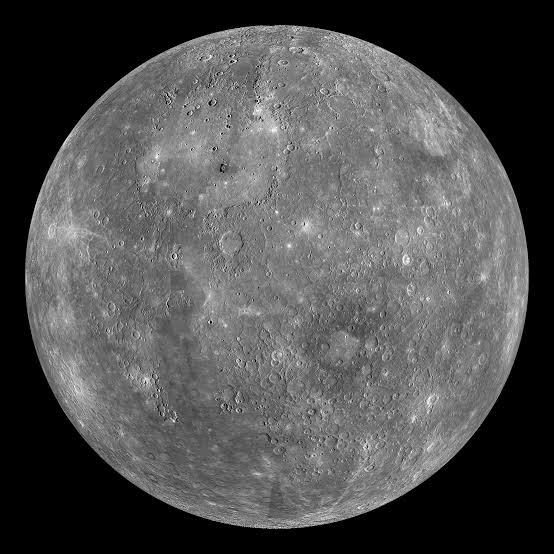
- Mercury is the smallest planet in our solar system and the closest one to the Sun.
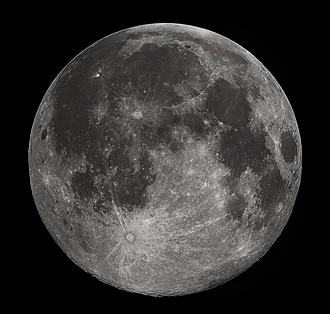
- It is only slightly larger than Earth's Moon.
- It moves very fast, completing a full trip around the Sun in just 88 Earth days.
- Its average distance from the Sun is about 36 million miles (58 million kilometers).
- It has zero moons.
• VENUS •
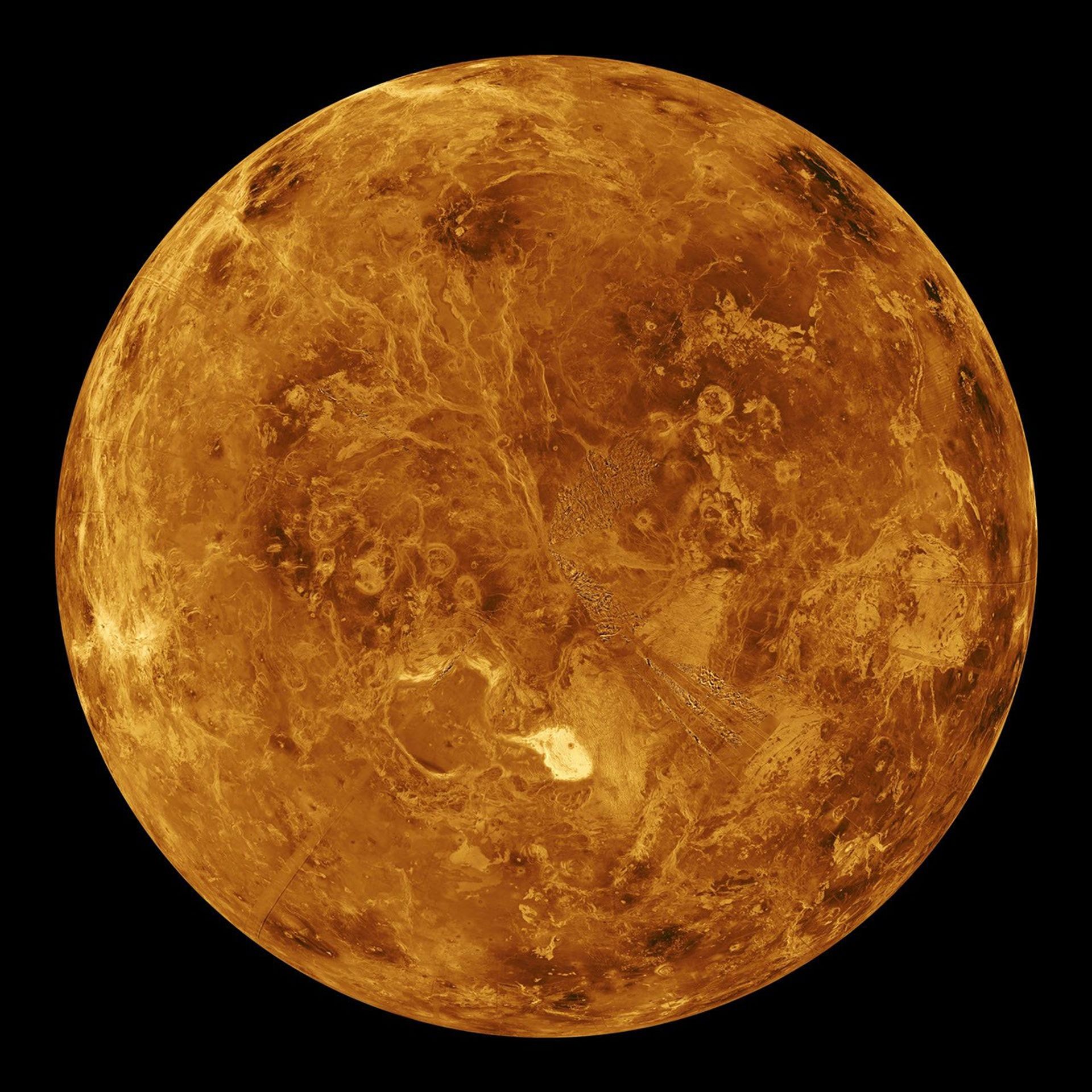
- Venus is the second planet from the Sun and the hottest planet in our solar system.
- The brightest natural object in the night sky after the Moon, often called the "morning star" or "evening star".
- Very similar in size and mass to Earth, which is why it is often called Earth's "twin".
- Venus has no moons and no rings.
• EARTH •
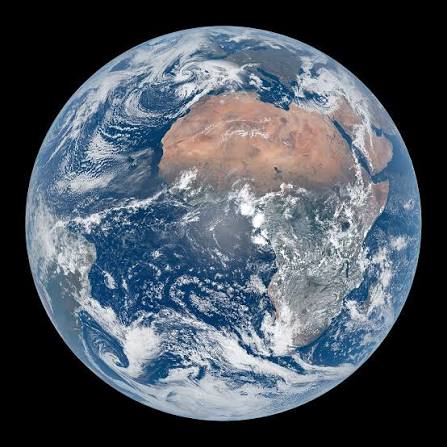
- Earth is the third planet from the Sun and the only astronomical object known to support life.
- An oblate spheroid (flattened slightly at the poles and bulging at the equator due to its rotation).
- Covered roughly by 70.8% water (mostly oceans) and 29.2% dry land.
- Formed approximately 4.5 billion years ago along with the rest of the solar system.
• MARS •
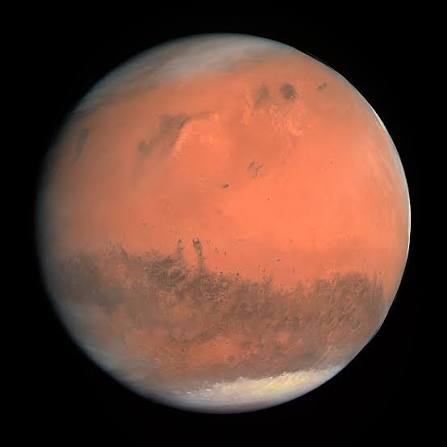
- Mars is the fourth planet from the Sun and is widely known as the Red Planet due to iron oxide (rust) covering its rocky surface.
- About 142 million miles (228 million kilometers) or 1.5 astronomical units.
- Its diameter is about 4,212 miles (6,779 km), making it roughly half the size of Earth.
- Two small, lumpy moons named Phobos and Deimos.
• JUPITER •
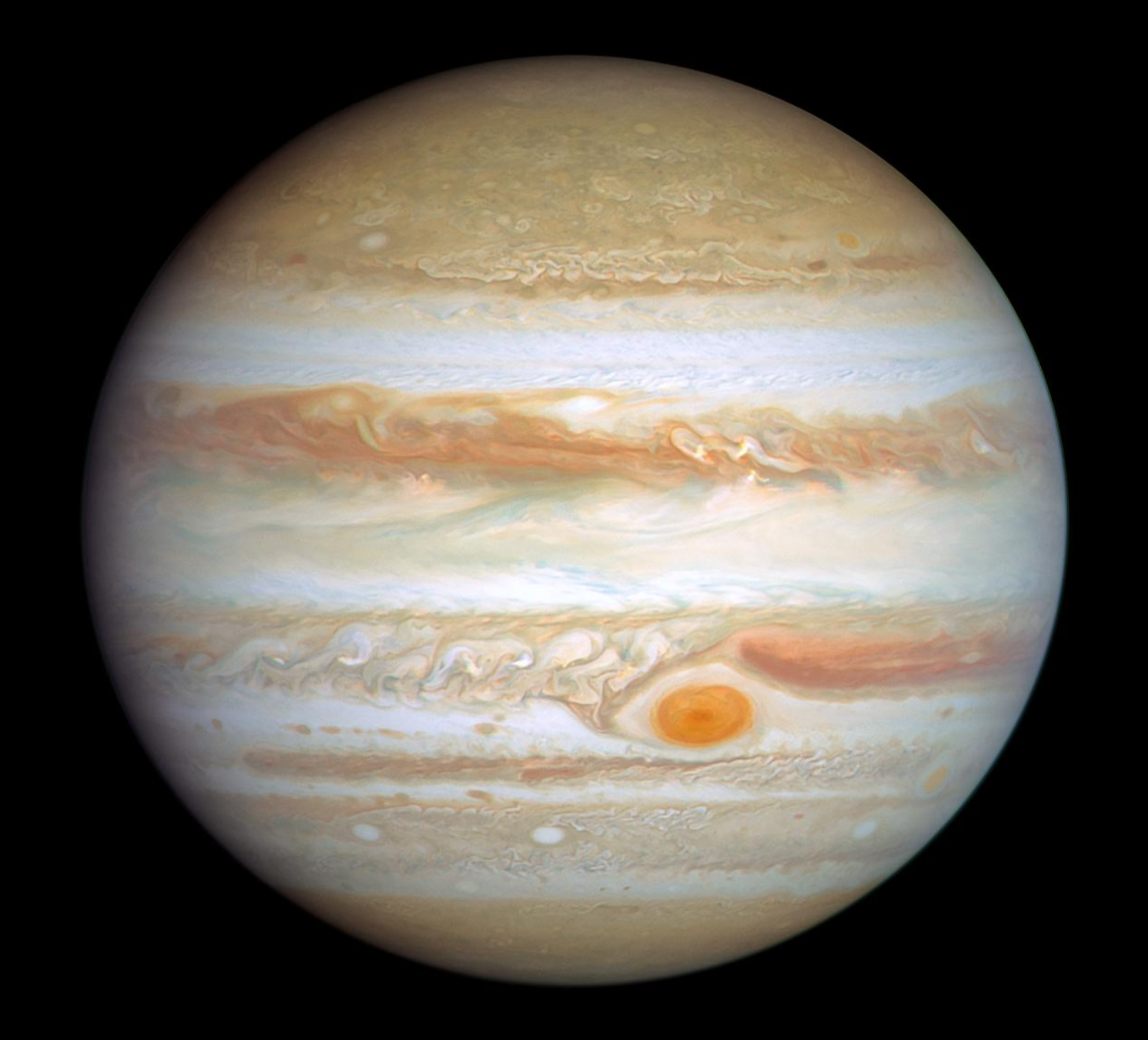
- Jupiter is the fifth planet from the Sun and the largest in our solar system, with a mass more than twice that of all other planets combined.
- Gas giant with no solid surface, composed mostly of hydrogen and helium.
- Its diameter is about 11 times that of Earth (roughly 142,984 km).
- Features over 95 officially recognized moons.
• SATURN •
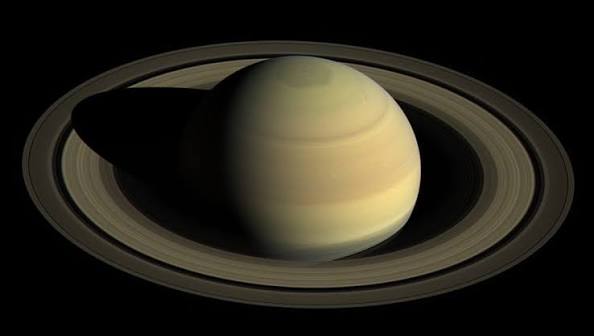
- Saturn is the sixth planet from the Sun and the second-largest planet in our Solar System.
- A gas giant made mostly of hydrogen and helium.
- Famous for a spectacular system of seven main rings made of ice and rock particles.
- Home to hundreds of moons, including the smoggy,
• URANUS •
- Famous for a spectacular system of seven main rings made of ice and rock particles.
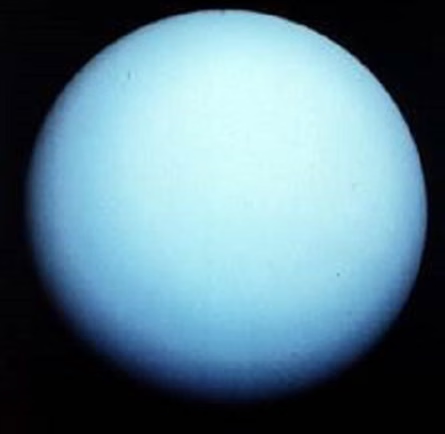
- It is an ice giant, meaning it is mostly made of heavy fluids like water, methane, and ammonia above a small rocky core.
- Uranus has an extreme axial tilt of about 98 degrees,
- Uranus has 13 faint rings and at least 27 known moons,
• NEPTUNE •
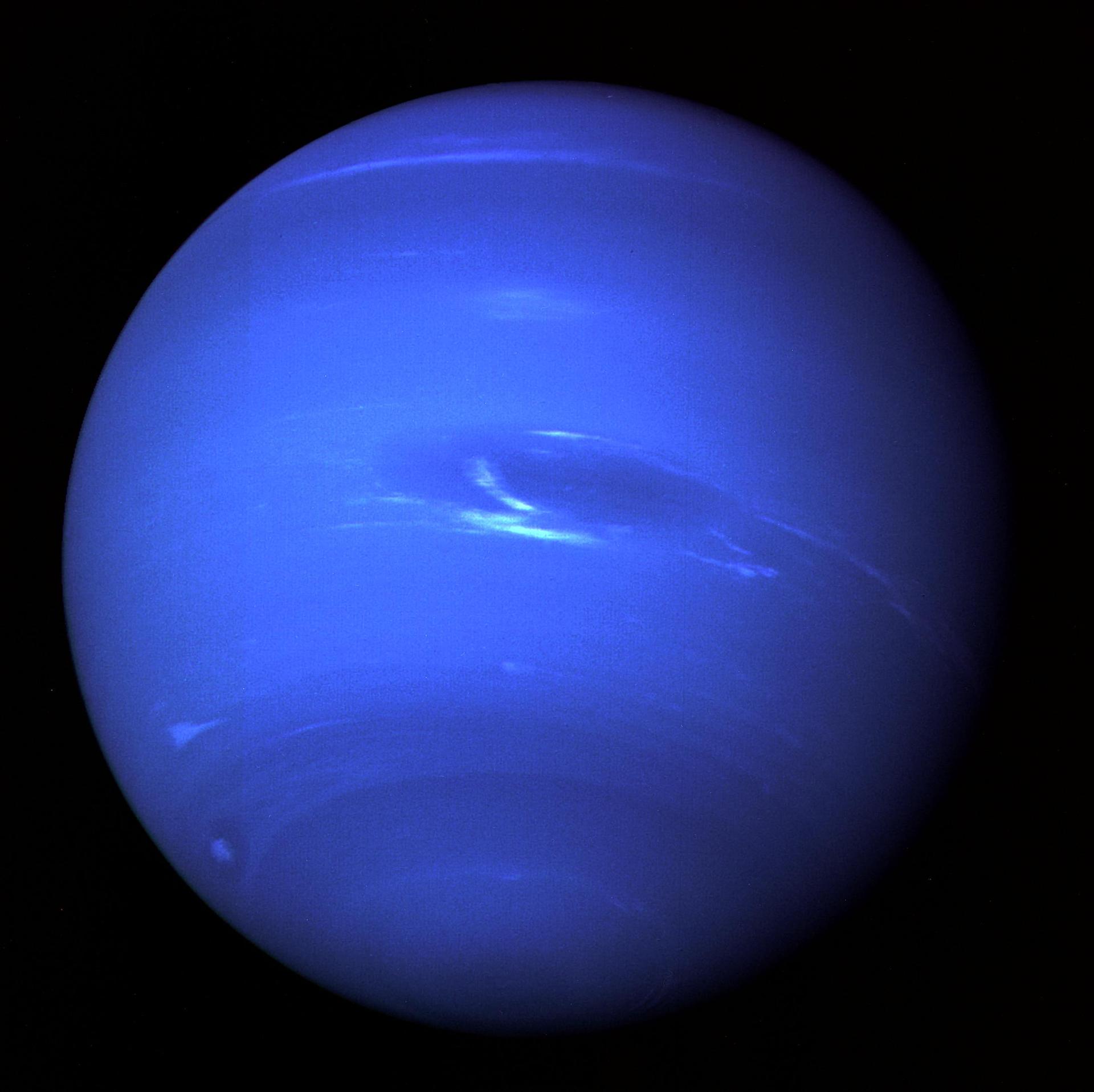
- Neptune is the eighth and farthest major planet from the Sun in our solar system.
- It sits over 30 times farther from the Sun than Earth.
- It is classified as an ice giant, meaning it is made of a thick, hot fluid mix of water, ammonia, and methane over a rocky core.
- Neptune has 16 known moons (with Triton being the largest) and a faint, dark ring system.